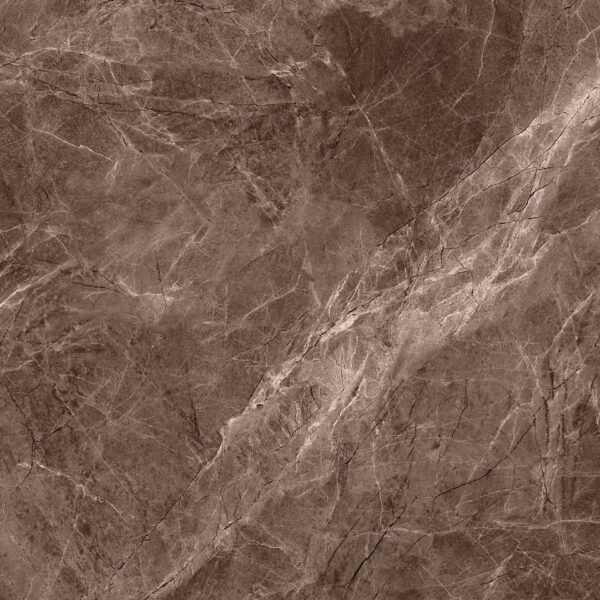
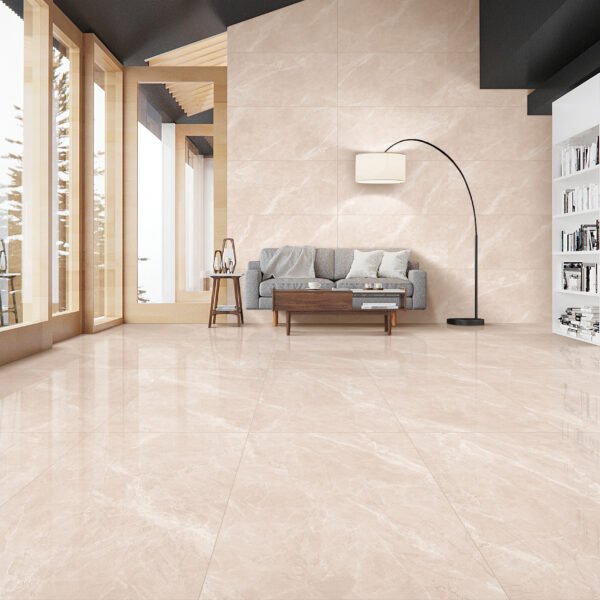
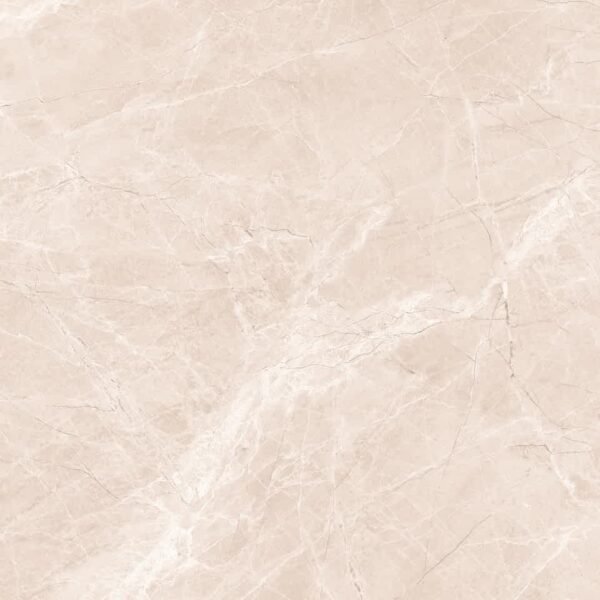
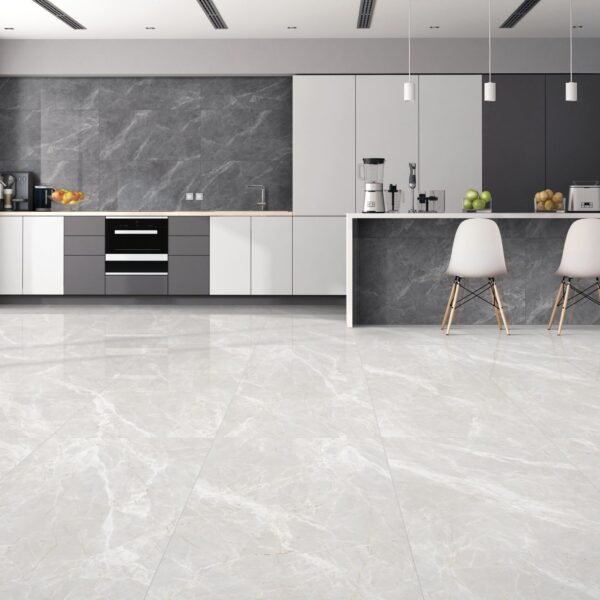
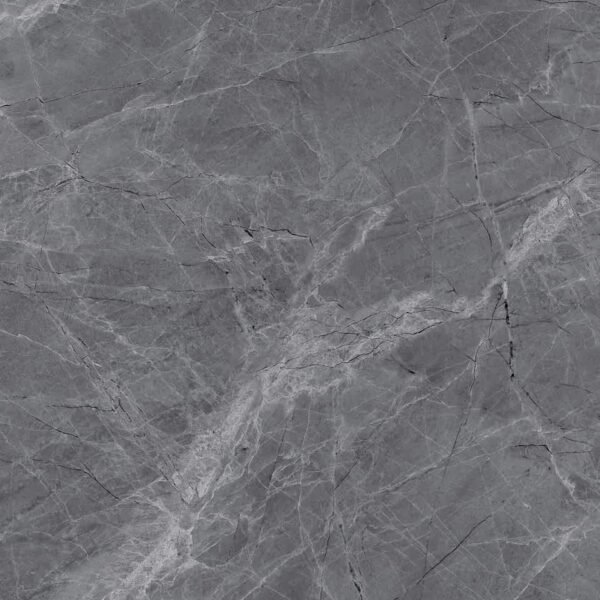
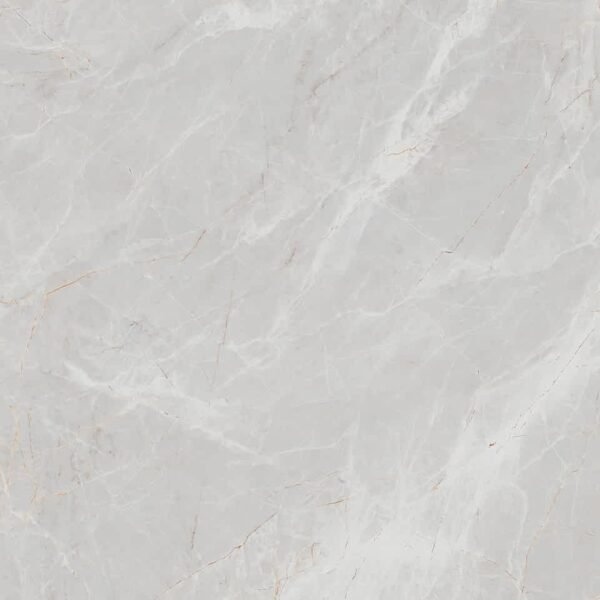
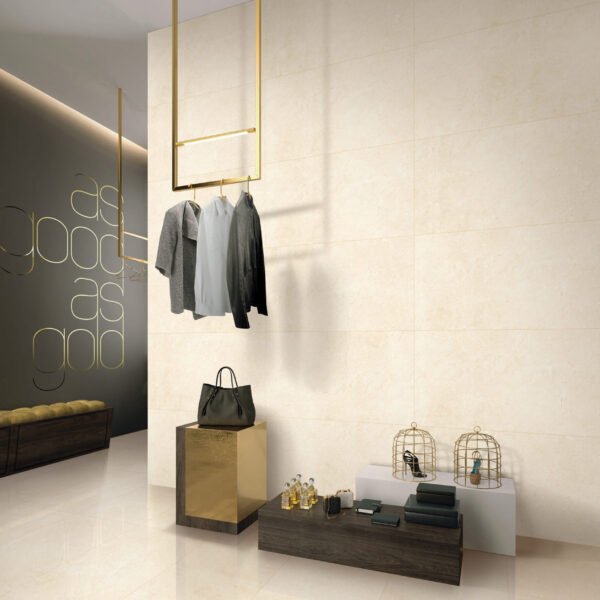
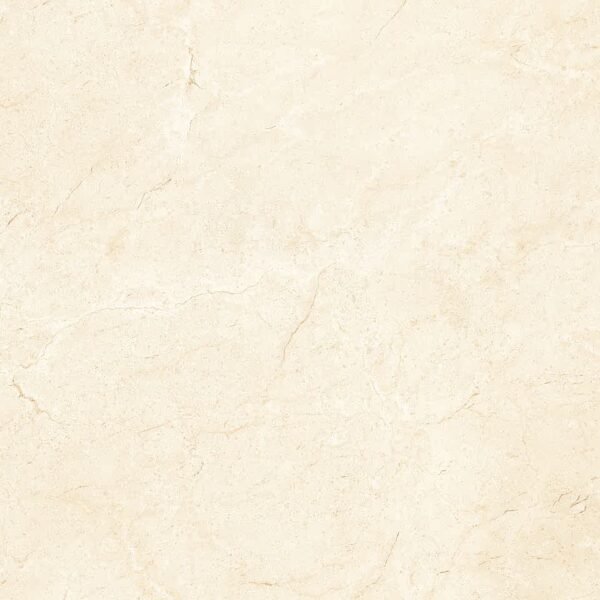
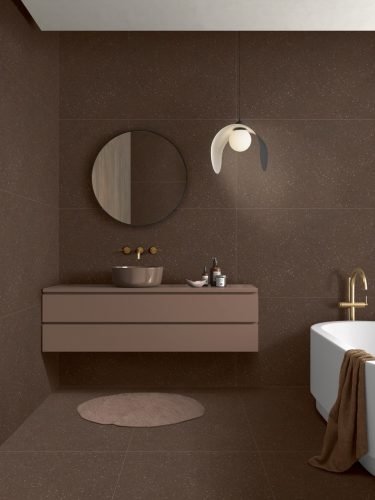
Tiles can be used as a surface covering on floors, walls and architectural volumes and are ideal for both interiors and exteriors. Any surface in the home, however large or small can be clad with ceramic tiles to create a tasteful and creative installation.

Tiles mainly perform 3 different functions:

1. Aesthetic: They are a part of the interior designing project along with the other finishing materials
2. Technical: They are able to withstand the stresses produced, by the people who use the spaces without suffering damage or deterioration.
3. Functional: They are hygienic and capable of effectively withstanding foot traffic, frost, fire and other elements. They are also anti-bacterial.

Thanks to its vitreous structure and high degree of internal cohesion, ceramic is hard and highly resistant to breakage and abrasion. These characteristics are governed by international standards allowing comparisons to be made on the basis of objective values.

Ceramic, especially vitrified ceramic is a compact and non-porous material, making it impermeable and resistant to staining. This means that tiles are quick and easy to clean as well as having a good frost resistance.

Unlike many other materials, ceramic tiles are non-combustible, do not release any fumes or toxic gases along with having a flame retarding action, thus reducing fire damage.

Once the glaze of a ceramic or porcelain tile has been damaged, it is not possible to repair. The only alternative is to replace the damaged tile with a new one.

Cleaning tiles is simple as they just require clean water adding an alkaline-based detergent.

No, you cannot polish, nor do you need to polish a tile.

No. Many chemical cleaning manufacturers now produce stain-removers and cement-removers which are produced from other chemicals (organic acids) so that any residue can be cleaned without any problems.

Hydrochloric acid-based cement remover can damage the metals that are used on the tile.

Hydrochloric acid and hydrofluoric acid is so strong that it can attack any kind of ceramic product.

The material thickness will depend on the teeth of the trowel used for this purpose, so we can generally say it is around 5mm. However, it must be taken into account that the adhesive manufacturer indicates the maximum thickness depending on the properties of the cement adhesive. Another thing to consult with the manufacturer is the fact of making the installation on an existing tile.

It is necessary to respect a minimum grout line of 1.00mm between tiles. However in our country people avoid using spacing, but we still advise you to do so. The final call however is your architects/contractors. 🙂

We recommend that you use an adhesive that has a high adherence, does not deteriorate, and resists any damage due to water. Always read the manufacturer’s instructions before installation.

As a general rule, a floor tile can always be used on a floor or a wall.

It is practically always essential to resurface and level the substrate before fixing the tile with adhesive as the installation often requires little adhesive and due to this it doesn’t allow for irregularities behind the tile. If the substrate is the floor, an auto leveler can be used.

It is necessary to respect a minimum grout line of 1.00mm between tiles. However in our country people avoid using spacing, but we still advise you to do so. The final call however is your architects/contractors. 🙂

To drill and make a hole in a porcelain tile, it is recommended that the tile is first correctly fixed. It is necessary that the drilling takes place at least 24 hours after the installation to ensure that the tile is correctly fixed.

Yes, you can install tiles practically anywhere. To install the tiles correctly on an outdoor terrace it is important that the substrate is stable and resistant and is slightly sloped to help water disperse. It is recommended to use a porcelain (vitrified) tile.

Until now, to tile on a floor already tiled, it was necessary to pull up the old floor and level the substrate. This resulted in increased costs and took longer to install the new floor.

To avoid this, new cement adhesives are available (cement mixed with resins) which provide a perfect adherence for the new tiles on the older, existing ones.

Contact Us

If you have an issue or question that requires immediate assistance, you can click the button below to chat live with a Customer Service representative.
Shopping Cart
Your cart is currently empty!.

You may check out all the available products and buy some in the shop.

Continue Shopping
Add Order Note
Estimate Shipping